
 Image 1 of 2
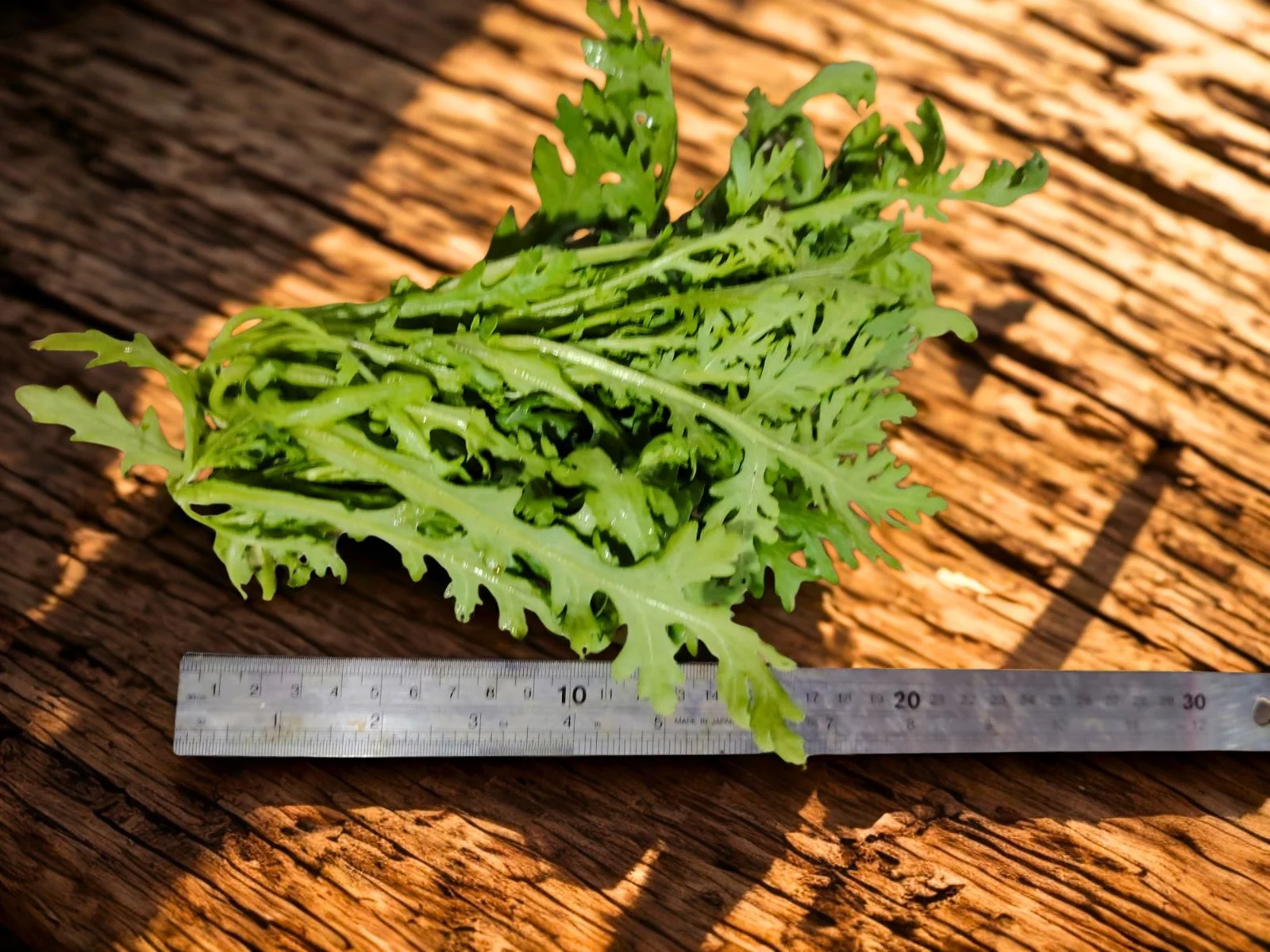 Image 2 of 2
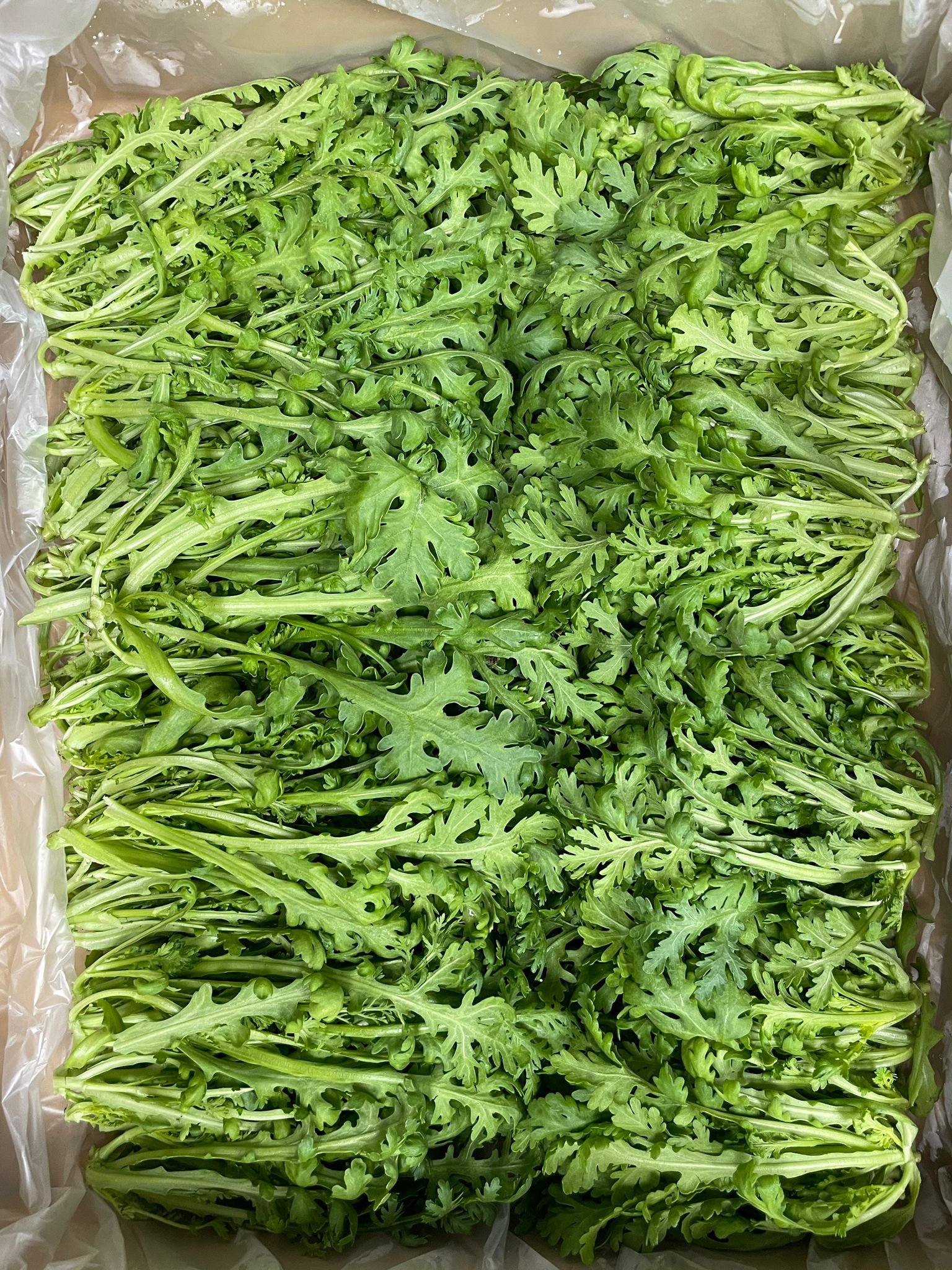
Japanese tang oh, known as Shungiku (春菊) or Kikuna in Japanese, is a leafy green often used in nabemono (hot pot), stir-fries, and goma-ae (sesame-dressed salad). It has a distinct, aromatic, and slightly bitter flavor, and it is best eaten when just slightly cooked to maintain its texture and vibrant color.
Here are the most popular Japanese-style tang oh recipes based on the search results:
1. Shungiku no Goma-ae (Chrysanthemum Greens with Sesame & Miso)
This is a classic Japanese side dish (ohitashi) where the greens are blanched and dressed in a savory-sweet sesame sauce.
Ingredients: 450g shungiku, 2 tbsp white miso paste, 2 tbsp sesame paste (or toasted white sesame seeds, ground), 1 tbsp sugar, 1 tsp mirin, 1 tsp soy sauce.
Method: Blanch the shungiku in boiling water for 10-15 seconds (stems first, then leaves). Immediately plunge into ice water to stop cooking. Squeeze out all excess water, cut into 2-inch pieces, and toss with the blended dressing ingredients.
2. Shungiku Salad (Raw Japanese Tang Oh)
Raw shungiku is tender and delicious, particularly when paired with a creamy dressing.
Ingredients: Fresh shungiku, toasted white sesame seeds, toasted sesame oil, and a splash of soy sauce or Ponzu. Optional: La-yu (Japanese chili oil) for kick.
Method: Wash and dry the greens thoroughly. Cut into bite-sized pieces and toss with dressing just before serving to prevent wilting.
3. Japanese Tang Oh Egg Drop Soup
A quick, light soup that highlights the flavor of the greens.
Ingredients: 1 bunch shungiku, 2 slices ginger, 1 egg, 2 tsp shiro (white) miso paste, prawn/chicken stock.
Method: Boil ginger and stock. Add prawns (if using) and cook for 2 minutes. Add the shungiku and cook for 30 seconds. Turn off the heat, swirl in the beaten egg, and dissolve the miso paste in the broth.
4. Stir-Fried Shungiku with Garlic
A rapid stir-fry that keeps the greens bright and crisp.
Ingredients: 1 lb shungiku, 4 cloves garlic (minced), oil, 2 tsp light soy sauce, ½ tsp sesame oil, ⅛ tsp white pepper.
Method: Heat a wok to high heat with oil. Stir-fry garlic for a few seconds, add the greens, and cook until just wilted (2-3 minutes). Toss with soy sauce, white pepper, and sesame oil, then serve immediately.
5. Tang Oh in Hot Pot (Nabemono)
Shungiku is essential in Japanese hot pot dishes like Sukiyaki or Shabu-shabu.
Method: Simply add washed leaves and tender stems to the simmering broth in the last minute of cooking. It is best eaten tender-crisp.
Tips for Cooking Japanese Tang Oh
Don't Overcook: Overcooking makes the greens slimy and significantly more bitter.
Staggered Cooking: The stems are tougher than the leaves, so blanch or cook the stems for a few seconds before adding the leaves.
Squeeze Water: For salads or dressed dishes (goma-ae), removing all water from the cooked greens is crucial for the dressing to adhere and for texture.
Japanese tang oh, known as Shungiku (春菊) or Kikuna in Japanese, is a leafy green often used in nabemono (hot pot), stir-fries, and goma-ae (sesame-dressed salad). It has a distinct, aromatic, and slightly bitter flavor, and it is best eaten when just slightly cooked to maintain its texture and vibrant color.
Here are the most popular Japanese-style tang oh recipes based on the search results:
1. Shungiku no Goma-ae (Chrysanthemum Greens with Sesame & Miso)
This is a classic Japanese side dish (ohitashi) where the greens are blanched and dressed in a savory-sweet sesame sauce.
Ingredients: 450g shungiku, 2 tbsp white miso paste, 2 tbsp sesame paste (or toasted white sesame seeds, ground), 1 tbsp sugar, 1 tsp mirin, 1 tsp soy sauce.
Method: Blanch the shungiku in boiling water for 10-15 seconds (stems first, then leaves). Immediately plunge into ice water to stop cooking. Squeeze out all excess water, cut into 2-inch pieces, and toss with the blended dressing ingredients.
2. Shungiku Salad (Raw Japanese Tang Oh)
Raw shungiku is tender and delicious, particularly when paired with a creamy dressing.
Ingredients: Fresh shungiku, toasted white sesame seeds, toasted sesame oil, and a splash of soy sauce or Ponzu. Optional: La-yu (Japanese chili oil) for kick.
Method: Wash and dry the greens thoroughly. Cut into bite-sized pieces and toss with dressing just before serving to prevent wilting.
3. Japanese Tang Oh Egg Drop Soup
A quick, light soup that highlights the flavor of the greens.
Ingredients: 1 bunch shungiku, 2 slices ginger, 1 egg, 2 tsp shiro (white) miso paste, prawn/chicken stock.
Method: Boil ginger and stock. Add prawns (if using) and cook for 2 minutes. Add the shungiku and cook for 30 seconds. Turn off the heat, swirl in the beaten egg, and dissolve the miso paste in the broth.
4. Stir-Fried Shungiku with Garlic
A rapid stir-fry that keeps the greens bright and crisp.
Ingredients: 1 lb shungiku, 4 cloves garlic (minced), oil, 2 tsp light soy sauce, ½ tsp sesame oil, ⅛ tsp white pepper.
Method: Heat a wok to high heat with oil. Stir-fry garlic for a few seconds, add the greens, and cook until just wilted (2-3 minutes). Toss with soy sauce, white pepper, and sesame oil, then serve immediately.
5. Tang Oh in Hot Pot (Nabemono)
Shungiku is essential in Japanese hot pot dishes like Sukiyaki or Shabu-shabu.
Method: Simply add washed leaves and tender stems to the simmering broth in the last minute of cooking. It is best eaten tender-crisp.
Tips for Cooking Japanese Tang Oh
Don't Overcook: Overcooking makes the greens slimy and significantly more bitter.
Staggered Cooking: The stems are tougher than the leaves, so blanch or cook the stems for a few seconds before adding the leaves.
Squeeze Water: For salads or dressed dishes (goma-ae), removing all water from the cooked greens is crucial for the dressing to adhere and for texture.